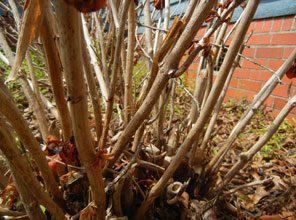
Plan Early fall is the time to order bulbs and seeds for fall planting. Plan for winter interest. Trees and shrubs with interesting pods or berries can be brought inside for great arrangements but leave some for the critters.
Plant Woody trees and shrubs should be planted in the fall for better success when establishing or transplanting. Whether they are containerized or bare root, planting in cooler temperatures is best, because the plants are not losing moisture as much as they would in summer. Roots develop over the winter and are ready in the spring to take up moisture and nutrients needed for spring growth.
Most of the summer garden can be replanted in August and September. (See Planting Chart). The first frost can average around November 15th but is often later in December here on the coast. (Zone 8-b or 9-a)
Perennials, biennials, and hardy annuals can be planted in the fall. Pansies, snapdragons, larkspur, calendula, stock, can be grown in containers or beds.
Mulch can help suppress weeds, holds moisture, and adds organic matter. Good sources of mulch are pine needles, pine bark mulch, or hardwood mulch. Cypress mulch is not sustainably produced and should be avoided. Mulch does not cause termites, but it does retain moisture. For that reason, don’t pile mulch around buildings or tree trunks.
Bulbs that bloom in the spring are planted in the fall. Daffodils, narcissus, tulips; dig caladium bulbs to store clip off foliage, hang to dry in stocking or onion bag where they won’t freeze. Force bulbs and blooming branches indoors for winter blooms. Keep tulips in the refrigerator until January. They are not going to get cold enough to re-bloom, but they are good to add some annual color in pots or beds.
Divide and replant perennials that have finished blooming. Daylilies, iris, or liriope are divided in the fall.
Prune It is always correct to prune overgrown, broken, or diseased branches. Save major pruning for the winter or spring. You don’t want to encourage new growth that doesn’t have ample time to harden off before a freeze. Root pruning can be done for small trees and shrubs that need to be moved. Prune climbing roses after they bloom. Later in the fall and winter clean up annuals and remove debris. It isn’t necessary to cut back perennials or ornamental grasses as the seeds and cover can be used by birds and other small animals.
Fertilize vegetables, roses, and winter annuals, but there shouldn’t be any need to fertilize lawns or other shrubs in the fall or winter. However, this is a good time to test the soil to check on plants doings poorly or if lime is needed.
House plants may need to be cut back and cleaned up if you are moving them inside for the winter. Check for pests. You might transition them from outside to a shaded carport or porch to reduce leaf drop. They won’t need as much water or fertilizer during the winter, and bright light is best for most indoor plants.
Spray dormant oil to prevent or treat tea scale on camellias.
Lawn You can overseed bare spots in lawn with rye or lightly overseed as a green winter cover for warm season grass. Leave the grass clippings, and don’t let it get too tall. This can improve drainage in compacted lawns, adds organic matter, and since ryegrass has deep roots it may bring up nutrients from deeper in the soil profile. Fall is the best time to test soil for pH and fertilizer recommendations.
Pre-emergent may be applied in mid-February to prevent warm season weeds from germinating.
Don’t add Nitrogen until the soil temperature is 60F. Fertilizer shouldn’t be applied until late April or May.
Resources:
Garden Guide to the Lower South, Savannah Trustees Garden Club
Month by Month, Gardening in the Carolinas, Bob Polomski
South Carolina Gardener’s Guide Jim Wilson
Lowcountry Gardener the Beaufort Council of Garden clubs