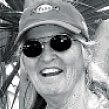
Kim Calhoun preparing Cherrybark Tea
The 42nd Southeast Native Plant Conference was held last week in Western North Carolina, and I was able to commune with five hundred or so like-minded folks. A happy tribe of students, teachers, growers, artists, researchers, and assorted enthusiasts gathered to share and grow our plant “nerdiness.” One of the walks offered was a foraging foray. As we walked by a stream which was between a parking lot and a two-lane asphalt road the facilitator pointed out common trees, shrubs and forbs (herbaceous) which afforded both food and medicine.
Edible plants have fascinated me for years. I also have an interest in plant medicine so not all the information was new. It turned out that most of the other members of the walk foraged frequently. We all learned a lot from our leader, Planty Kim Calhoun. She stressed four principles of safe and sustainable foraging: 1) Appreciation, 2) Identification, 3) Location, and 4) Population.
Appreciation: The first thing Kim did was show thanks to the “plant friend.” I grew up in a house where we blessed the food and “the hands that prepared it” before every meal. Some of us have lost the connection to where our food comes from. We do not see the farmers and ranchers that grow our food. Nature is abundant with wild things that can sustain us. Kim said she likes to eat wild greens every day and showed us several which were growing right there by the road. She had prepared spicebush and cherrybark tea the day before. We sampled them at the end of our walk; she demonstrated how to harvest the bark not from the main trunk but from smaller branches.
Cherry bark tea is used in traditional medicine for coughs, soothing the mucous membranes of respiratory, digestive, and urinary tracts. The flavor was unexpectedly like maraschino cherries.
Identification: “Always be 100% sure of ID before you eat or make medicine with a plant.” Know which plant parts to use (leaves, inner bark, roots, etc.) while others may not be helpful or even could be harmful. We also need to know when to harvest and how to prepare. There are many books and field guides to help, but learning from an experienced person is the best. Once you are confident about the steps in selection and preparation, start with a small amount to see how your unique body responds to the food/medicine.
Location: Remember, I said the walk was next to a road and parking lot? Before foraging consider if an area is subject to spraying of pesticides or other pollutants. Do you have permission to gather on the property? Many state parks do not allow visitors to pick flowers or harvest plants.
Population: It is also important to only take what you need or have time to process. Only harvest as much as a population can reproduce. Know what plants are rare or threatened. For this reason, it makes sense to collect plants that are common. There are even some naturalized plants that have medicinal or food value.
Ethnobotanist and author Robin Wall Kimmerer says that “the more [common] names a plant has, the greater its cultural importance.” Because many of these are easily grown it would not be that hard to start small and grow all of these “plant friends” in your “Yarden.”
Eat wild! Be well!
Here are sixteen examples of common plants that may be useful.
Violet Viola spp.
Black Cherry Prunus serotina
Plantain Plantago spp.
Chickweed Stellaria spp.
Lambsquarter Chenopodium album
Spice bush Lindera benzoin
Blackberry Rubus spp.
Wild lettuce Lactuca spp.
Goldenrod Solidago spp.
Black walnut Juglans nigra
Wood Sorrel Oxalis spp.
Bee balm Monarda spp.
Sumac Rhus spp.
Maypop Passiflora incarnata
Wild blueberry Vaccinium spp.
Pine Pinus spp.
Resources
https://www.abundancehealingarts.com/
The Serviceberry Abundance and Reciprocity in the Natural World by Robin Wall Kimmerer