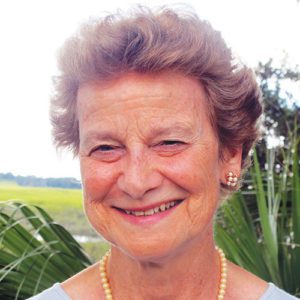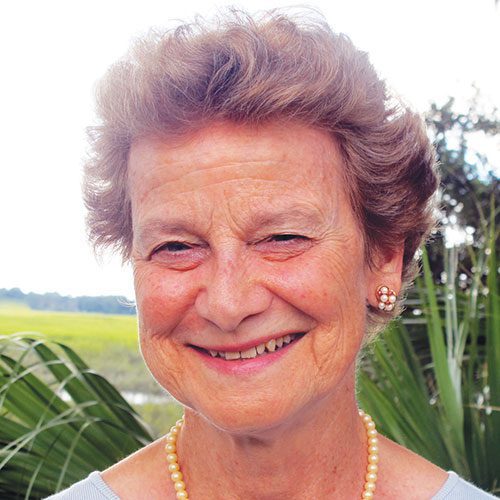
If anyone could’ve successfully convinced the Grim Reaper to allow them a few more years of life when he arrived to collect her at the age of 85, no doubt it would’ve been my feisty mother. But although iterations of her natural beauty remained intact through the years – sans makeup – even she-who-planned-to-live-forever graciously allowed him to take her hand and lead her to the promised land when the time came.
Through the years, I watched this championship golfer, brilliant conversationist, and unabashed flirt take on the aging process an issue at a time. Arthritis, broken bones, heart problems, and TIAs (mini strokes). As both her first and second husbands were physicians, her access to the latest in medical care was stellar. However, these days knowledge about viable alternative treatments and self-care options for aging issues abound, allowing countless seniors to cruise into their later years feeling better than they doubtless would’ve in “the old days.”
For example, we now know that the process of “growing old” begins long before you feel old. The good news is that you can begin to do something about that through choices you make earlier in your life, in your 20s, 30s, 40s, 50s, and 60s. Healthier choices now can influence how independent, strong, connected, and fulfilled you may feel in decades. The sooner you begin, the better you’ll feel from day one. Just imagine staying young at heart and mind, living longer, and being able to keep doing what you love for longer than expected.
Sound appealing? Read on!
In 1900, life expectancy for much of the industrialized world was under 50. Today, folks can look forward to living well into their 70s, 80s, and beyond. In podcast #419 of The Mel Robbins Show, the host interviewed Massachusetts Institute of Technology (MIT) longevity expert Dr. Joseph Coghlin, founding director of the MIT AgeLab. A multidisciplinary research program, the lab works with business, government, and NGOs to improve the quality of life of older people and those who care for them. Basically, the program creatively translates technologies into practical solutions that improve people’s health throughout their lifespan.
Author of the best-selling book, The Longevity Economy, Dr. Coghlin was named by the Wall Street Journal as one of the country’s12 pioneers inventing the future of retirement and aging. He says you’ll likely live longer than you think. It’s not just about the years but about their quality. Doing the simple things within your control to take care of yourself will pay off.
“If someone you love is getting older, this conversation is essential,” says Coghlin. “Older age is not something we should fear. This is a gift of time and what you do with that time starts now.”
Just an aside, in case you don’t know, Mel Robbins is a #1 New York Times best-selling author, award-winning podcast host, lawyer, and the most trusted expert in personal growth today, with 40 million followers worldwide. She personally selects every guest.
During this interview, the remarkable Mel tries on AGNES, MIT’s full-body aging suit and experiences the world from the point of view of a 90-year-old trying to make it through your normal day-to-day life – to move, to pick things up, to see, to do the simple things you’re used to accomplishing daily. In the suit, which looks like NASA outer space attire, the wearer is losing muscle mass that gives one strength. This is exactly what can happen to seniors. Joints lose their flexibility. Walking can become painful, and “staying in shape” can evolve into one of those “I remember when doing this particular movement was easy” moments. Small “jobs” once accomplished without thought are no longer effortless. Imagine trying to unscrew the cap on a water bottle when your hands ache with arthritis pain and refuse to accomplish even that tiny task. Or needing a light bulb in a ceiling can light changed when a step ladder is the only access and your balance is iffy at best. Add to that cognitive decline.
When her trial of the NASA wannabe apparatus was over, Robbins was exhausted and had a clear appreciation of the journey many older folks must travel.
“This contraption,” she says of AGNES, “really hits you right in the gut.” Her respect for the elderly skyrocketed.
As you age, Coghlin says, think about the following:
- If you’ve let being in shape slide a bit, you can get some of your capability back if you work out and focus on nutrition. You can begin – or begin again – at any age. To which I’ll add, get your sleep, stay hydrated, and add movement (yoga, stretches, pickleball, walking, et al). Staying active helps you stay strong.
- Be aware of your built environment – your home, your car, your surroundings. Start to rearrange furnishings less for aesthetic purposes and more for practicality. For example, how might you arrange your kitchen, bathroom, or studio to make them easier for you to use and/or maneuver through?
- Don’t be afraid to ask for help and support. The information in this podcast episode is ideal for starting up a conversation with people you love about what you need from them for support or to establish what they might need. Address the question: What can we do to improve each other’s lives?
- Finally, how many close friends do you have? You need at least one or two, and if you’re “socially” wealthy, three. “Close” means those you can call in the wee hours if you have a catastrophe. Building a “social portfolio” is as important as having one for your finances. By attrition, people to lose friends as they age, through death and disease, of course, and also surprisingly, through having grandchildren and spending more time with them, and less social time with friends.
All fodder for thought as you begin to create a “longer, better life overall.”
According to Eleanor Roosevelt, “Beautiful young people are acts of nature, but beautiful old people are works of art.”
You’ve just read a few highlights of Robbins’s interview with Dr. Coghlin, but I strongly suggest you tune in and hear it all for yourself. The title is: “MIT Longevity Expert: Do These Three Things Now to Stay Young, Live Longer, and Keep Doing What You Love.” Find it on Apple Podcasts, Spotify, Amazon Music, or YouTube.
You may well be inspired to create your own masterpiece of a longer, better life.